North Falster
The village of Byskov
Village pond, cooperative smithy, the road to school, a royal cavalry school and legends of nisser and elle-folk - the village around Vægtergården.
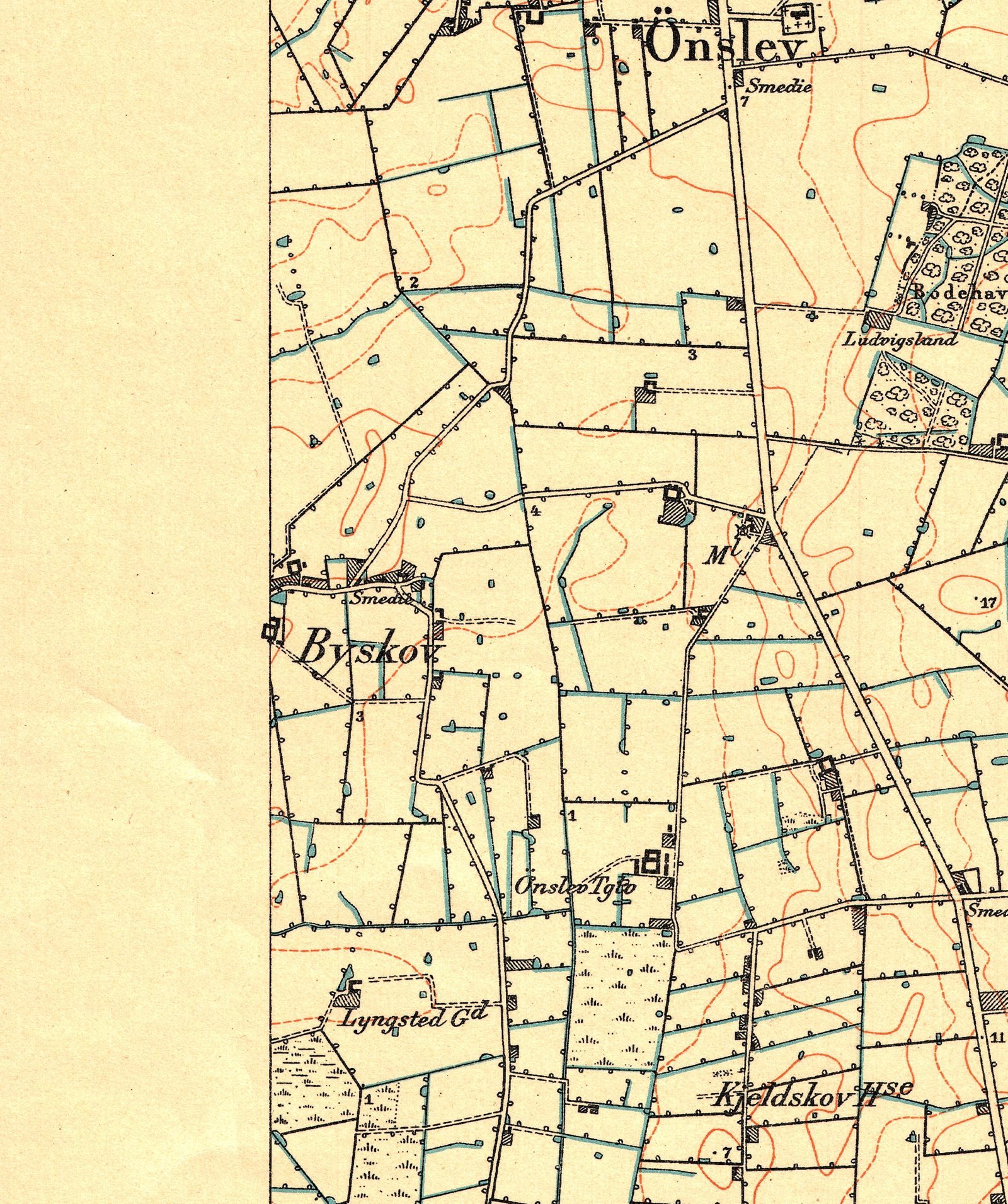
Byskov is a small village on North Falster, in Ønslev parish, wedged between Klodskov and Eskilstrup. The village is first mentioned in 1436 as Byskoff, and in 1480 as Buskow - and since it does not appear in the Falster List from around 1250, it was probably founded later than its neighbouring villages.
The land reforms
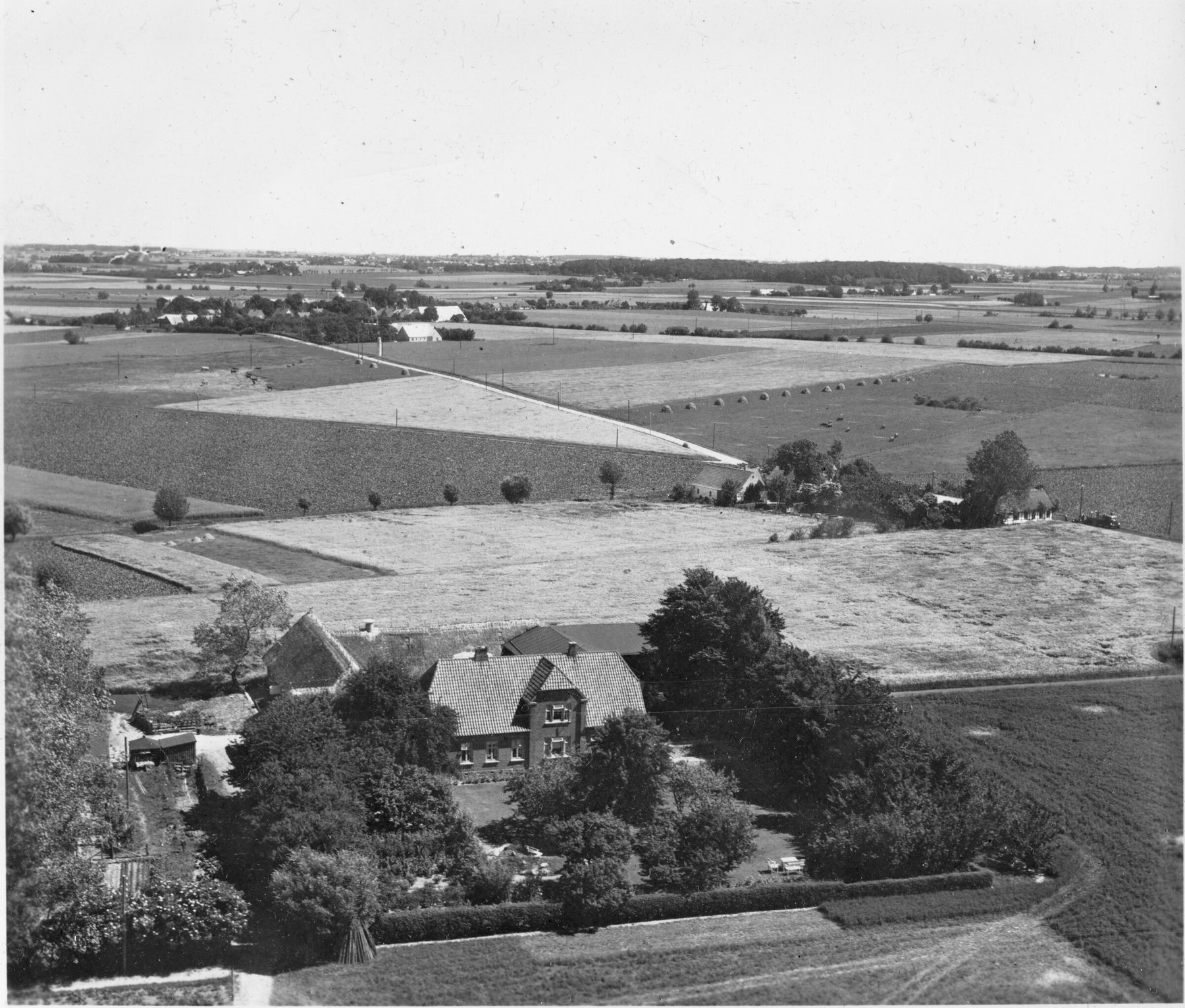
Falster's royal cavalry estate was sold in 1766, and in the years 1808-15 Byskov's fields were redistributed. Many farms moved out onto their new land - but Vægtergården stayed put in the middle of the village, where it still stands today.
The village pond and the smithy
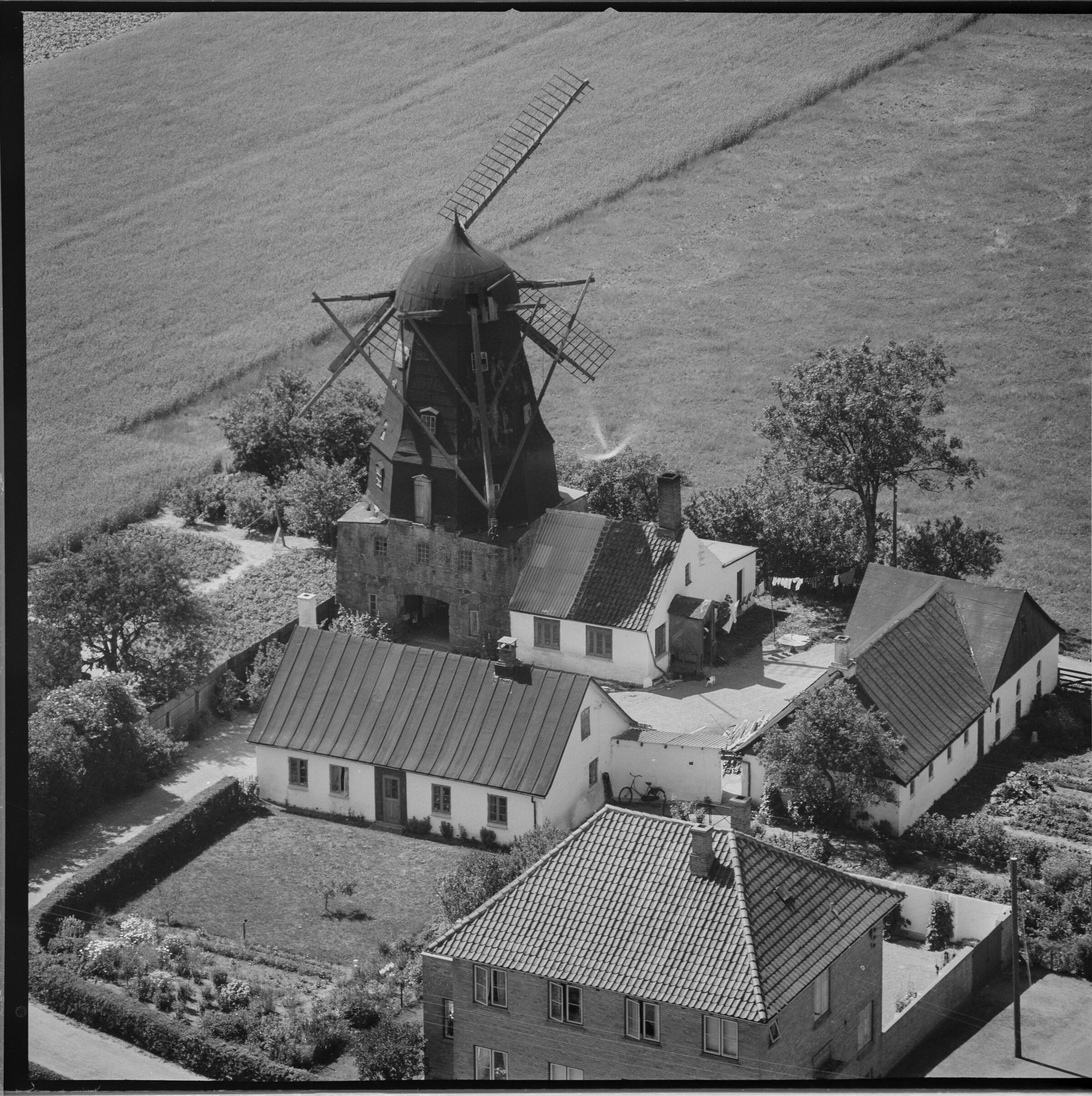
The village pond between the Smithy and Vægtergården has always meant something special to Byskov. In summer it was a gathering place for the village's young people - in the 1940s there might be more than twenty of an evening, and sometimes the smith Alfred would play his mandolin. In winter people skated on the ice, once Svend Suhr had given it his approval.
The smithy stood by the village pond, "as a smithy really ought to": here the smith cooled the cart wheels after fitting a new iron rim. In 1898 the farmers built a new cooperative smithy on land bought from Hans Vægter, and from 1900 until the mid-1950s it was run by the smiths Laurits and Alfred Jørgensen, father and son. The family still lives in the Smithy. The smithy's vice and weathervane can today be seen at the Danish Tractor Museum in Eskilstrup.
Tang Rasmus in the village pond
Every child in Byskov has learned never to go too close to the village pond, for down there lives Tang Rasmus. Read the whole story of Tang Rasmus.
The nisse's ale - a legend from Klodskov
In the 1840s, Pastor J.K. Lindberg wrote down a number of legends from the area. One of them tells of a woman from Klodskov whose sister had been given a barrel of ale that never ran dry - until, that is, she happened to tell someone about it. Read the whole legend of the nisse's ale.
The moral is clear. So we won't be telling you where we get our Shrovetide buns from.
More legends
- The King's Oak and the Parson's Wife - the lightning that struck where the king had eaten his lunch, and the parson's wife who wanted to spin a thread from Vålse to Nykøbing.
- Trolls in Oustrup Forest - and the rowan twig that kept them at bay.
- Elle-folk in Hannenov Forest - elf-shot cattle, a sheepskin coat turned inside out, and a hymn book held under the chin.
- Præstepanden - the Ønslev parson who was conjured down into a bottomless pool.
- The Gallows Inn - the inn by the hundred's place of execution, where the mail coaches changed horses.
The road to school in Ønslev
Byskov has never had its own school or church. The children walked to Ønslev, and Byskovvej served at once as the road to church, the road to school and the parson's road. The last stretch followed an old footpath that came out in Ønslev by barber Etbøl's, opposite the Brugsen shop. The old Ønslev School was pulled down around 1924, when the new school was built.
The road to school wasn't only for walking. The ditch ran alongside Byskovvej, and there the children played grøftepind - "ditch stick": back and forth over the ditch, the whole way, without falling in. The game was popular in Byskov, and in the farmyards on summer evenings too. And then there was the wheel: an old wheel and a stick, with which you could send the wheel whizzing down the road ahead of you.
In the 1945 class photo from Ønslev School, number 15 in the second row from the back is listed as Bodil Jørgensen, Byskov Smedie - the smith's daughter from the house by the village pond.
A few curiosities from the area
More stories from the village - about the village bull, the badger and the seed drill that burned - can be found under Small Stories from Byskov.
- The coin hoard. In 1868 a clay pot was ploughed up in a field under Ny Kirstineberg. It held 4,411 coins from the reigns of Erik Menved and Christoffer II, and was probably buried around 1326, in troubled times.
- Klodskov Nor. The inlet towards Guldborgsund was diked in 1888 and kept dry by a windmill, until the pump house was built in 1929.
Churches and schools
Byskov belongs to Ønslev parish and church, while Eskilstrup Church, dating from around 1100, has wall paintings from the 1200s that the parson Johannes Fibiger found beneath the whitewash in 1893. A royal cavalry school was built in Klodskov in 1719-21, and when the new school was built in 1890, the old cavalry-school plaque was built into the gable. Eskilstrup got a station on the Falster railway in 1872.
Legends and stories from the area
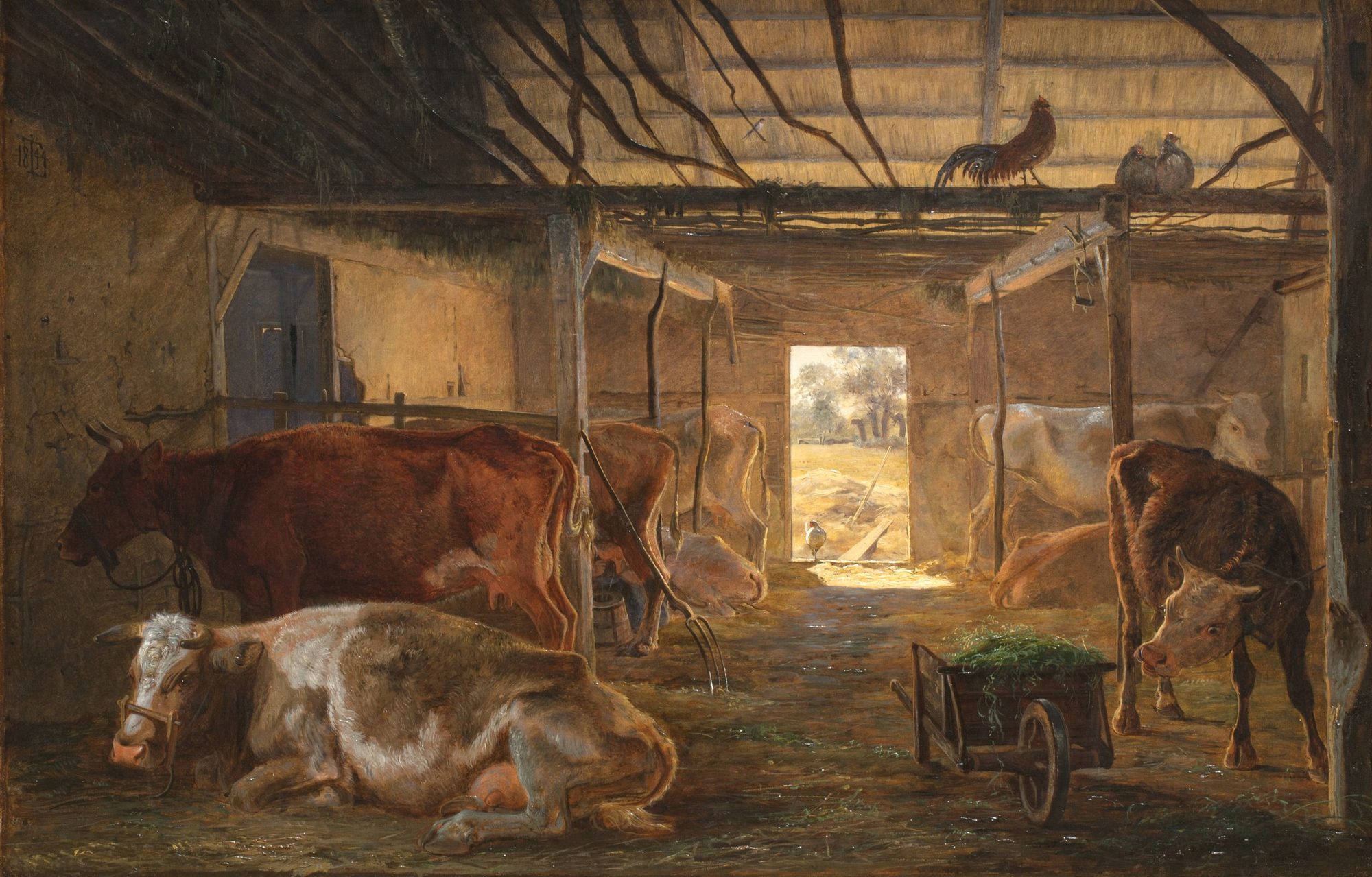 Legend from the area The Nisse's Ale - a legend from Klodskov
About the ale that never ran out - until someone let slip where it came from. Read more →
Legend from the area The Nisse's Ale - a legend from Klodskov
About the ale that never ran out - until someone let slip where it came from. Read more →
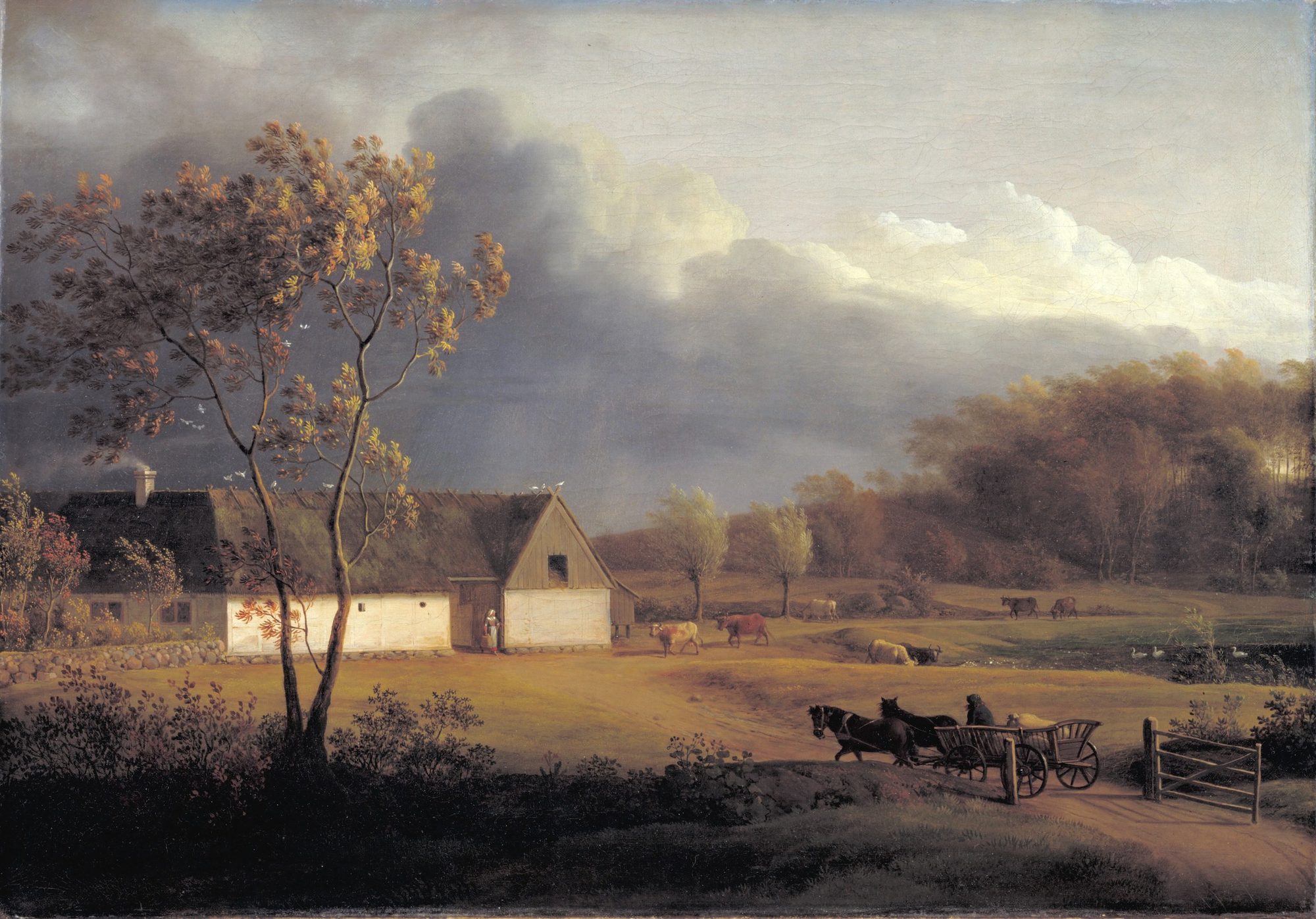 Legend from the area The King's Oak and the Parson's Wife
Two oaks beside the old road to Gåbense. Under one, lightning struck right where the king had been sitting. At the other, the parson's wife's thread ran out. Read more →
Legend from the area The King's Oak and the Parson's Wife
Two oaks beside the old road to Gåbense. Under one, lightning struck right where the king had been sitting. At the other, the parson's wife's thread ran out. Read more →
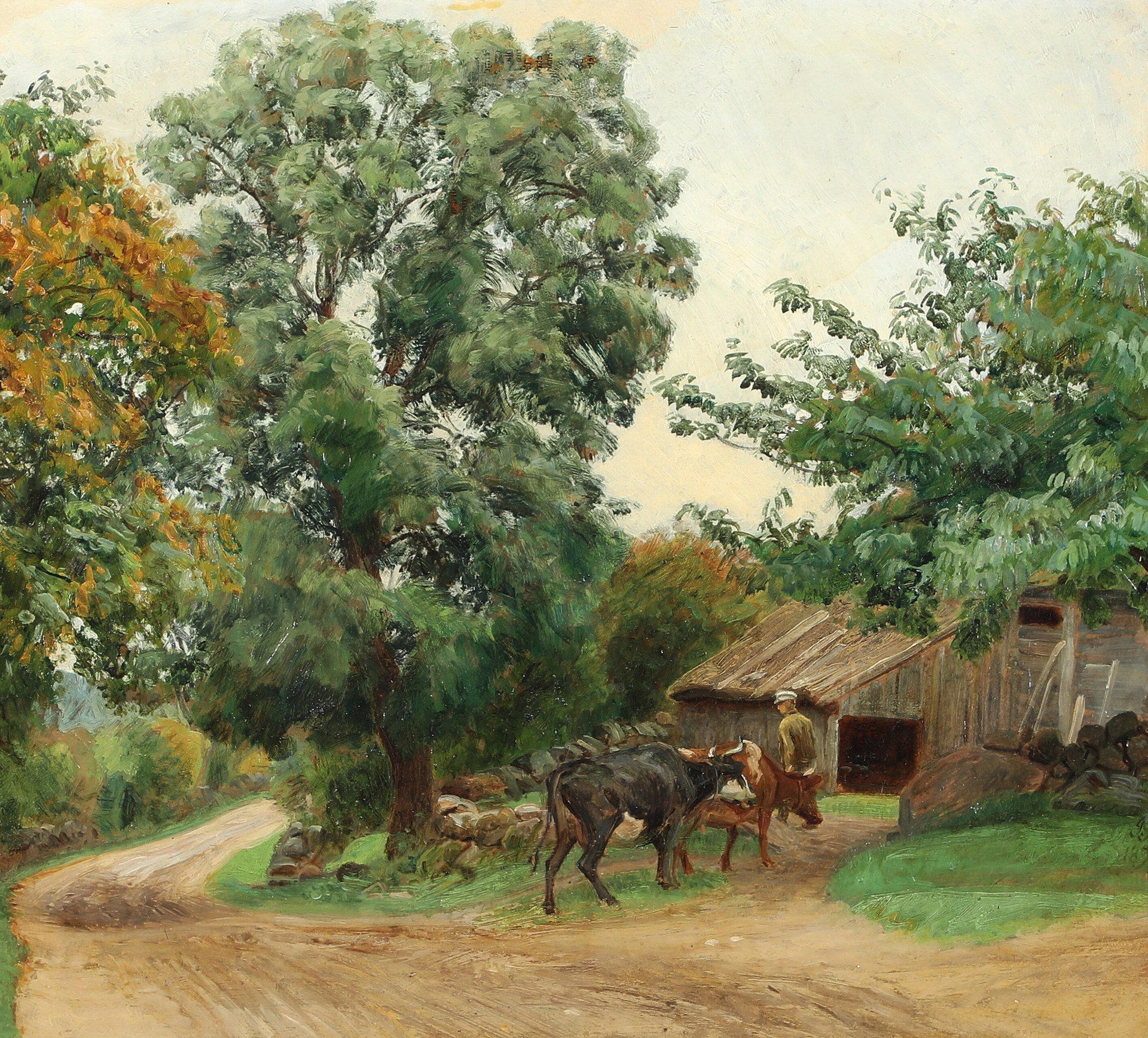 Legend from the area Trolls in Oustrup Forest
The trolls were dying out, people said in the 1840s. But in Oustrup Forest they could still be found - and every sensible man carried a rowan twig in his pocket. Read more →
Legend from the area Trolls in Oustrup Forest
The trolls were dying out, people said in the 1840s. But in Oustrup Forest they could still be found - and every sensible man carried a rowan twig in his pocket. Read more →
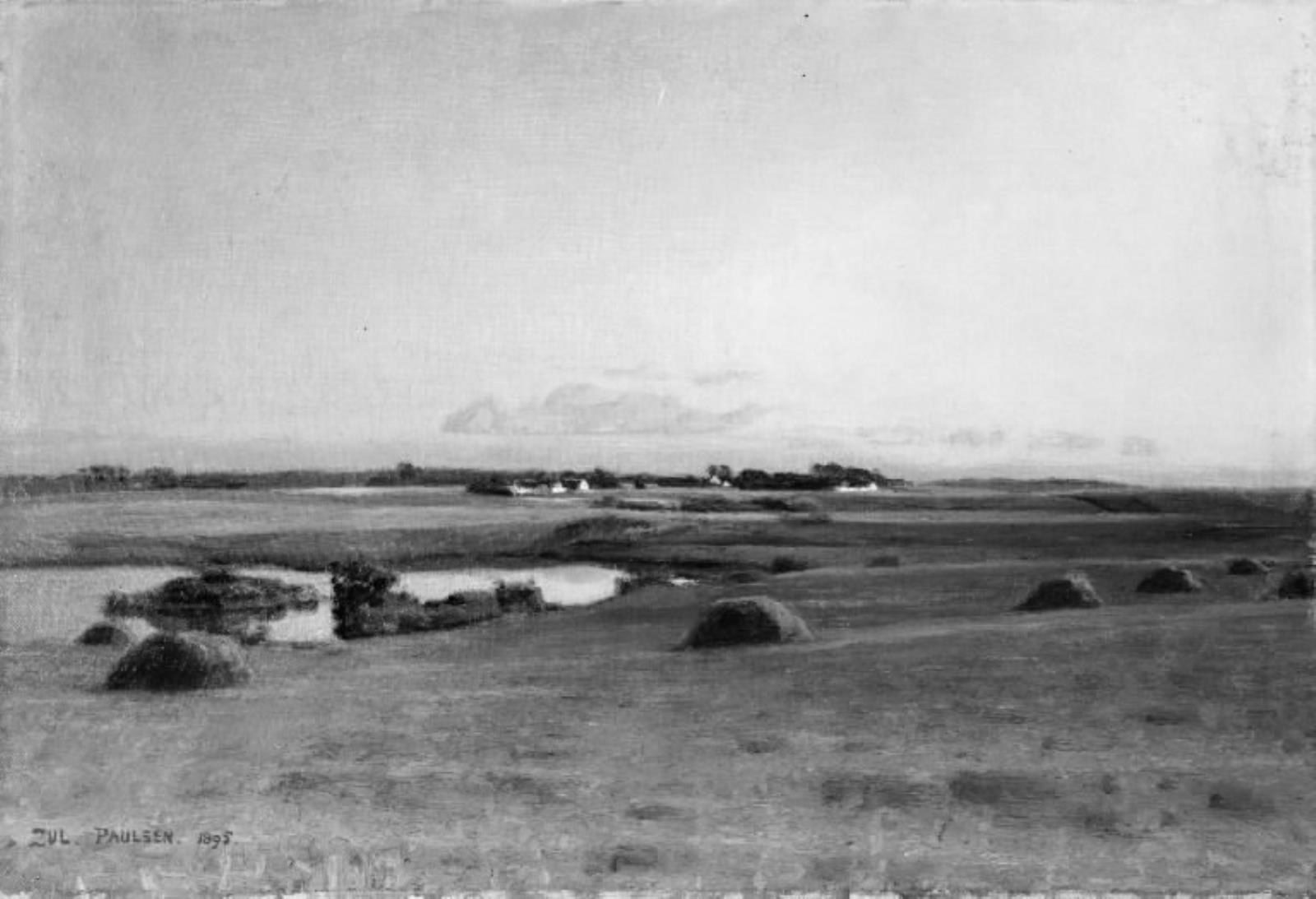 Legend from the area Elf-folk in Hannenov Forest
They shot the cattle in Egemosen and led wanderers astray in Hannenov Forest. But if you found them sleeping, an old hymn book could give you power over them. Read more →
Legend from the area Elf-folk in Hannenov Forest
They shot the cattle in Egemosen and led wanderers astray in Hannenov Forest. But if you found them sleeping, an old hymn book could give you power over them. Read more →
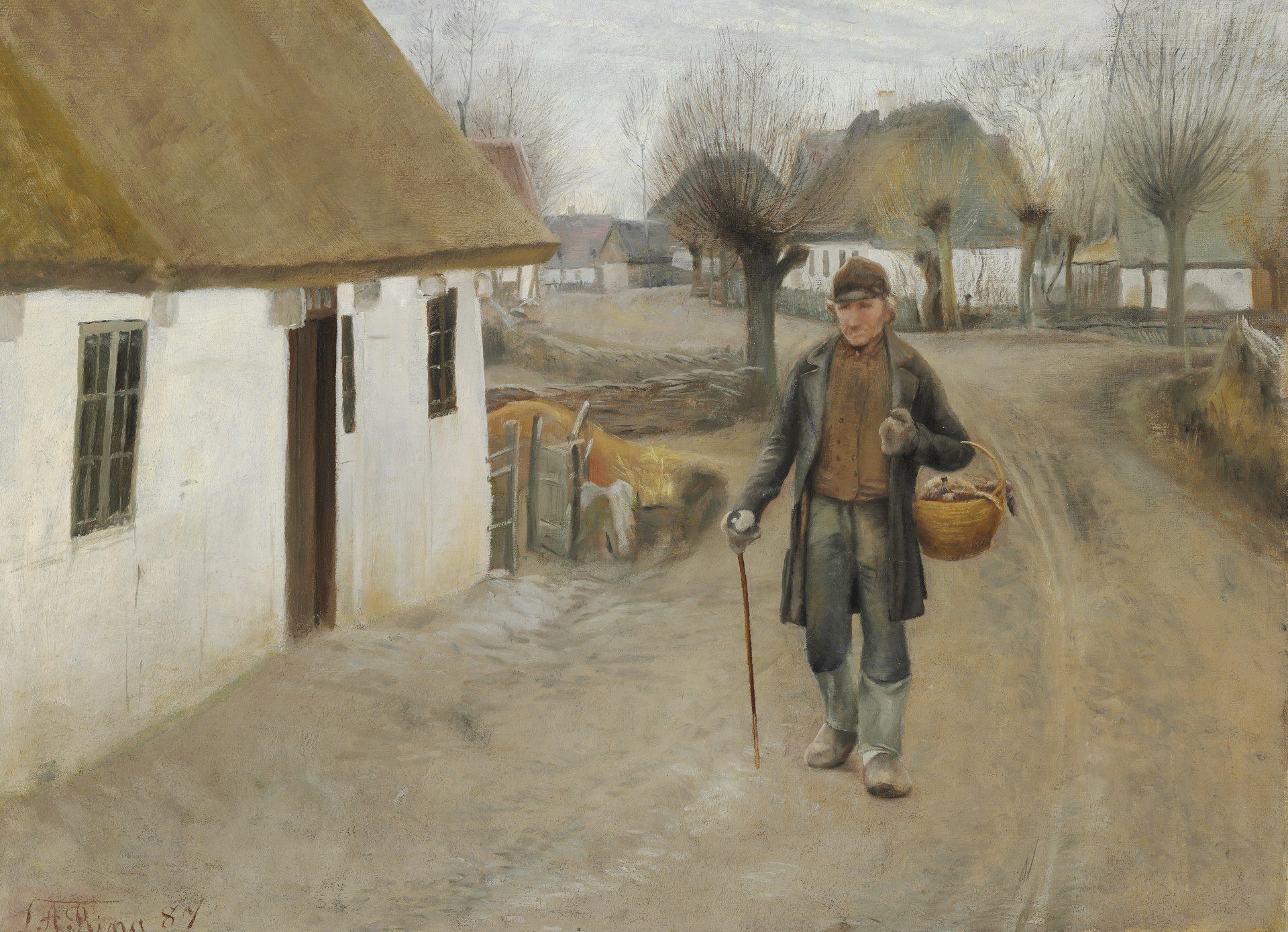 Legend from the area Præstepanden
When the parson of Tåderup conjured the parson of Ønslev down into the earth, a bottomless pool was left behind. Poke a stick down into it, and you might strike his skull. Read more →
Legend from the area Præstepanden
When the parson of Tåderup conjured the parson of Ønslev down into the earth, a bottomless pool was left behind. Poke a stick down into it, and you might strike his skull. Read more →
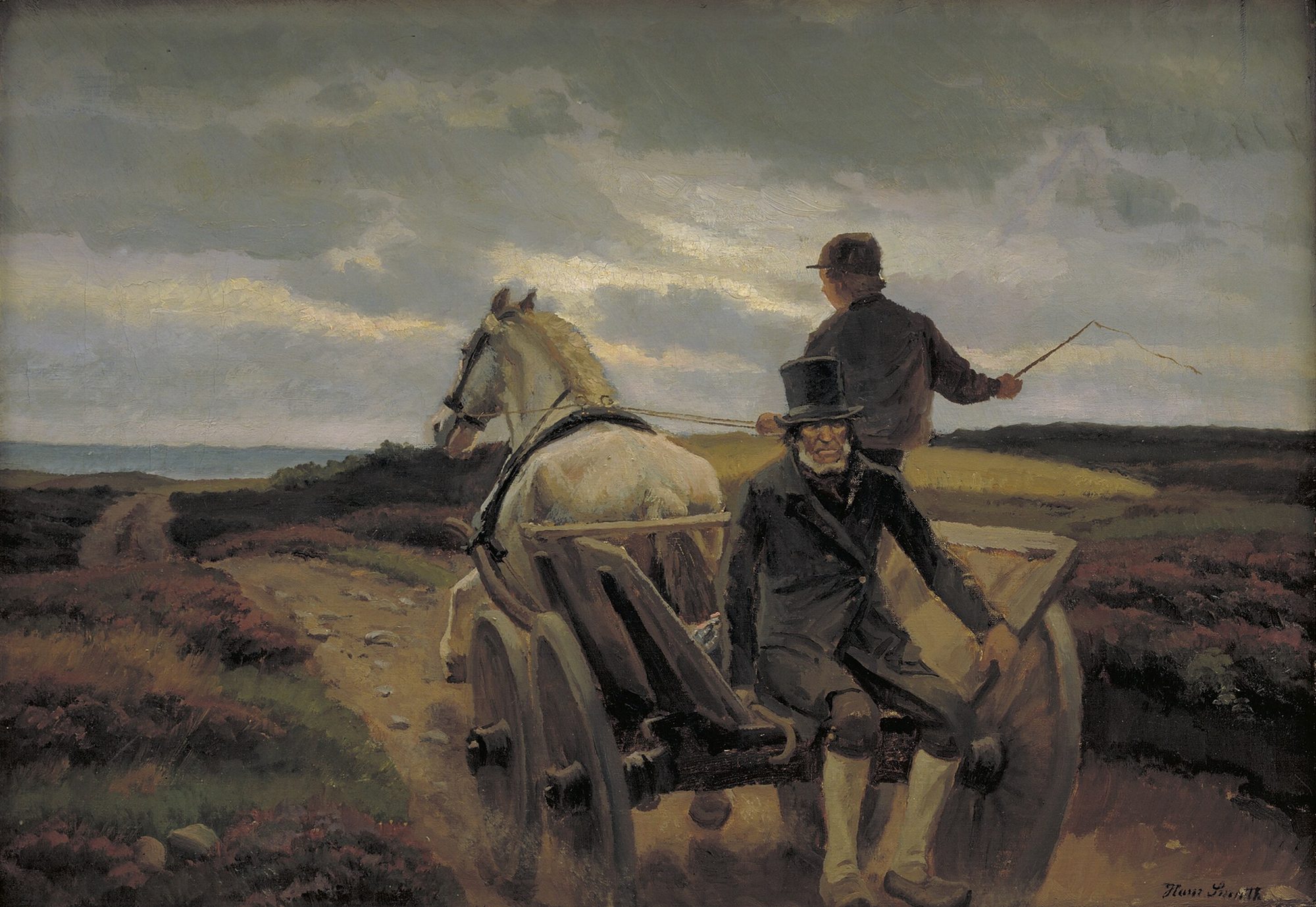 The inn by the place of execution The Gallows Inn
Its real name was Ludvigslund. But since it stood right by the district gallows, everyone called it the Gallows Inn. Read more →
The inn by the place of execution The Gallows Inn
Its real name was Ludvigslund. But since it stood right by the district gallows, everyone called it the Gallows Inn. Read more →